
Blog / Service Center

Blog

All Service Center Medina, OH Honda Dealership Rick Roush Honda 2024 Honda Models Honda Ohio Tourism 2023 Honda models 2025 Honda Models Food 2023 Honda Lineup Ohio National Parks Used Cars Holiday HR-V Shopping CR-V 2023 Honda CR-V Accord Asian Restaurants Bakery Breakfast Civic Cleveland Zoo Mexican Restaruants Passport Pizza
A mechanic holding wrenches and giving a thumbs-up in an auto repair shop.

How to Maximize Your Honda Service Experience

Why Staying on Top of Honda Service Matters Driving a 2026 Civic Sedan, a CR-V Hybrid, or a rugged Ridgeline requires regular maintenance at your local Honda dealership in Medina, OH. Consistent upkeep protects your investment, ensures a comfortable ride, and prevents costly future repairs. Maximize your vehicle's lifespan by establishing simple maintenance habits and reaching out to our service team today for expert guidance. more Know Your Maintenance Schedule for Honda Service Following the recommended maintenance schedule is essential for reliable vehicle ownership. Honda utilizes a Maintenance Minder system to alert you when specific services are due based on driving conditions instead of just mileage. Common service intervals include oil changes, tire rotations, brake inspections, and fluid top-offs. If your dashboard displays a wrench icon or an alphanumeric code, schedule service immediately. Helpful Maintenance Tips Before Your Service Visit Preparing for your appointment ensures a smooth experience. Write down any noticed concerns, such as unusual sounds, dashboard warnings, or handling changes. Sharing these details allows your service advisor to address issues efficiently. Bring your vehicle identification number and previous service records so your technician can review your vehicle's history and make informed recommendations. Honda Service Maintenance Tips for Between Visits Vehicle care continues after you leave the service bay. Follow simple maintenance tips between appointments to protect your vehicle. Check your tire pressure monthly, inspect your wiper blades before rainy seasons, and refill windshield washer fluid. Since Medina experiences significant seasonal changes, verify your battery health, coolant levels, and tire tread depth as the weather shifts. Make the Most of Every Honda Service Appointment Ask questions when you arrive for your appointment. A knowledgeable service advisor will explain the inspection results, completed work, and future maintenance needs. Review the results of your multi-point inspection to understand your vehicle's overall condition. For trusted automotive care, contact your local Honda dealership in Medina, OH, to schedule your next service visit.

Mechanic filling out a vehicle inspection checklist.

Essential Car Maintenance Tips Every Honda Driver Should Know

Consistent vehicle maintenance is the smartest approach to keeping your Honda running optimally. Driving a Civic, CR-V, Accord, or another model requires a routine service schedule to protect your investment and maintain safety. Drivers facing tough Ohio weather rely on Rick Roush Honda in Medina, OH, for proactive care. Contact our service center to schedule your maintenance and secure your vehicle's longevity. more Why Regular Maintenance Matters All vehicles require ongoing attention. Routine car maintenance prevents minor issues from escalating into expensive repairs. Consistent service preserves performance, fuel efficiency, and overall value. Delaying scheduled maintenance often leads to higher expenses later. Keep Up with Oil Changes Routine oil changes are a primary vehicle maintenance requirement. Engine oil lubricates moving parts, reduces friction, and prevents overheating. Oil degrades over time and loses effectiveness. The Honda Maintenance Minder system monitors driving conditions and alerts you when service is due. Schedule an appointment promptly once the alert activates. Check and Rotate Your Tires Tire condition dictates your vehicle's handling, tread wear, and fuel efficiency. Monitor tire pressure regularly to ensure optimal safety. Rotate your tires every 5,000 to 7,500 miles, or as the Maintenance Minder recommends, to extend their lifespan. Inspect the tread depth during every rotation. Inspect Your Brake System Brakes are a critical safety component. Worn brake pads, low brake fluid, or a soft brake pedal indicate a need for immediate service. If you experience squealing, grinding, or a pulsing sensation, schedule a brake inspection immediately. Early detection prevents severe damage to rotors or calipers. Monitor Fluid Levels Your Honda utilizes several fluids to operate, including coolant, transmission fluid, brake fluid, power steering fluid, and windshield washer fluid. Monitor these levels regularly. Consistently dropping fluid levels typically indicate a leak requiring professional repair. Your local service center can top off fluids during routine visits. Replace Air Filters The engine air filter prevents debris from entering the engine, while the cabin filter cleans the interior air. Clogged filters reduce performance, lower fuel efficiency, and degrade interior air quality. Consult your owner's manual for specific replacement intervals. Follow the Manufacturer Schedule The owner's manual outlines a specific maintenance schedule for spark plugs, timing belts, coolant flushes, and transmission service. Following this schedule guarantees your vehicle receives the necessary care at the right intervals. Your service advisor tracks this history to ensure proper documentation. Schedule Your Next Service Visit Proper maintenance protects vehicle performance and reliability. The team at Rick Roush Honda in Medina, OH, handles routine oil changes and complex repairs alike. Drivers throughout the area trust Rick Roush Honda in Medina, OH, for dependable service and expert care. Visit Rick Roush Honda to schedule your next service appointment today.

A closeup of a car's transmission

Maintaining Your Honda's CVT Transmission: Service Tips

A continuously variable transmission is specially designed to be more efficient than a traditional automatic transmission, making it an ideal option for eco-friendly vehicles. To ensure your CVT has the best possible performance, it's important to routinely service the transmission and look out for signs you need to schedule Honda CVT maintenance. more Maintaining Your Honda's CVT Transmission: Service Tips In general, servicing a CVT transmission is the same as servicing an automatic transmission, which means booking service for your transmission every 60,000 miles or so. During this service appointment, a Honda mechanic will examine the transmission for worn parts, as well as flush out and replace transmission fluid. The interval for transmission service will vary depending on your driving habits. If you put a lot of miles on your car every year, you frequently haul heavy trailers, or spend most of your time in congested traffic, you may want to have your transmission serviced more frequently to ensure everything is in working order. You can save time by stacking your service appointments, such as by booking an oil change or tire rotation at the same time. Signs You Need Honda CVT Maintenance Aside from the dashboard indicator lights in your vehicle, you can spot early warning signs of transmission trouble if you notice your vehicle seems louder than normal when you accelerate or turn a corner. If it feels like your Honda is taking longer to accelerate, this could be a sign that the CVT is having shifting issues or gears are slipping. Sometimes, your vehicle might not move when it is in drive gear or you may notice a burning smell. Visible transmission fluid leaks are also a major red flag. Transmission fluid tends to be a bright red color, so if you notice a red puddle beneath your car, your transmission may have a leak. It's also important to note if the color of your transmission fluid is muddy or dark red, which could indicate the fluid is old or contaminated. Consequences of Skipping Service In addition to a marked drop in the overall efficiency and performance of your Honda, skipping transmission service can spell big trouble down the line. When transmission fluid is too old, it cannot properly protect the transmission from overheating, which can cause major damage and even transmission failure in the future. To avoid costly vehicle repairs, it's best to keep up with your Honda's recommended service intervals for your CVT transmission system. Get in touch with Rick Roush Honda in Medina, OH to book an appointment.

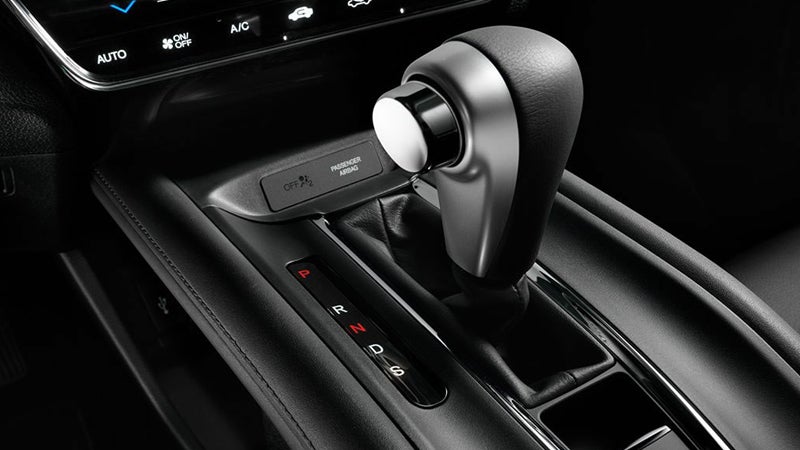
Honda transmission shifter

6 Signs Your Honda Needs a Transmission Service

Detecting problems with your car early can save you a lot of money, as it allows you to fix issues before they get considerably worse. So, when you need your Honda transmission serviced, be sure to visit your Honda dealership as soon as your vehicle lets you know that something is wrong. more 6 Signs Your Honda Transmission Needs a Service From Your Dealership 1. There's An Issue with Switching Gears A vehicle with a faulty transmission might struggle to shift gears or be unable to shift gears at all. Different transmission problems can cause the symptoms, including something as simple as having contaminated transmission fluid. Make sure you stay on top of your transmission maintenance to avoid issues caused by dirty transmission fluid. 2. There's Grinding or Jolting During Gear Changes Gear changes are supposed to be smooth and silent. If your car makes a grinding noise, vibrates, or jolts in any way during a gear change, then there's probably something wrong with your transmission. Grinding during gear changes is more common in vehicles with a manual transmission. 3. There's a Burning Smell in Your Car A burning smell in your car is never good news. It can tell you that a component in your car is overheating. It can also let you know that it's time for a transmission flush, as your fluid may be burning up because it's old. 4. There's a Surge of Power When You Shift Gears Because gear shifts are supposed to be smooth, you'll never feel a sudden surge of power like your car has suddenly been propelled forward by some kind of super-speed button. If your car leaps forward after a gear change, then there's probably a problem with your transmission. 5. There's Noise While You're in Neutral Hearing a new sound while your car is running is almost always a sign that your car needs repairs. If your transmission is the component that's in disrepair, the new noises will usually start happening while your vehicle is in neutral. You could hear any kind of sound in neutral when there's a problem. Grinding and bumping noises are common. 6. There's Trouble Trying to Stay in Gear If your car can't seem to stay in gear, then that's a sure sign that something is wrong with your transmission system. Hearing your engine rev suddenly during a gear change or feeling like you can no longer control your acceleration and deceleration are signs that your car is slipping gears. Slipping gears can also make it feel like you're driving over ice and your wheels have no way to grip onto the road, making the situation scary as well as dangerous. Come get your Honda transmission examined at Rick Roush Honda. Contact our service department or schedule an appointment online.

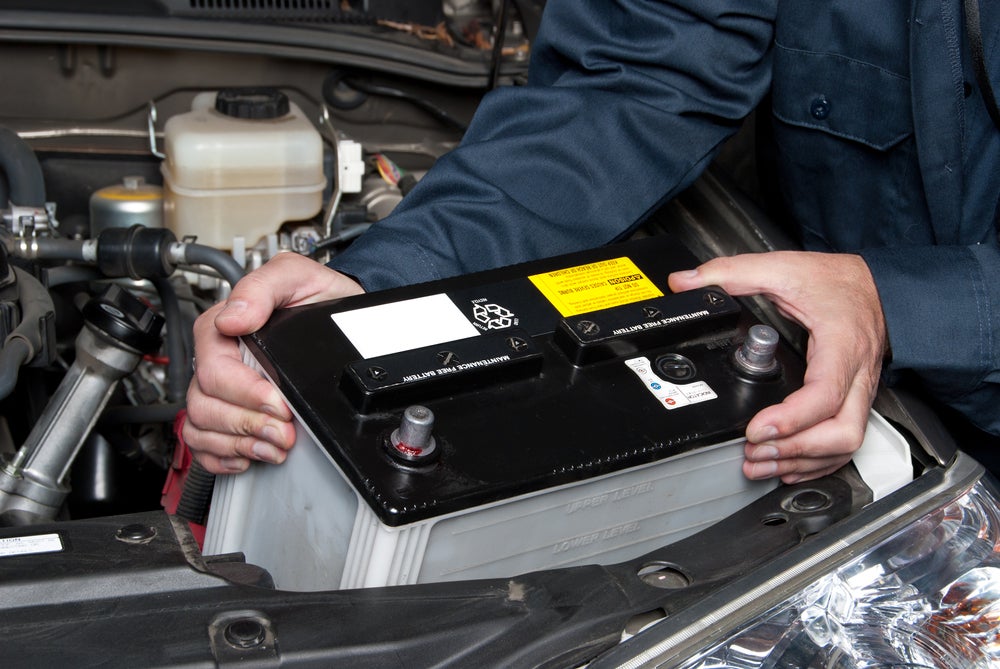
car battery

6 Signs Your Honda Battery Needs Replacement

Most car batteries last from three to five years. You can optimize your battery's lifespan with good maintenance, including keeping it protected from the cold during winter. However, all batteries eventually need to be replaced, and it's good to know the warning signs when the time comes. Here are six indications that you need to visit your Honda dealership for battery replacement. more 6 Signs Your Honda Battery Needs Replacement Your Battery Is Cracked or Warped It's wise to occasionally check your battery for signs of damage or malformation. When car batteries overheat or finally grow too old to use, they can sometimes warp out of shape. If the casing walls of your battery aren't perfectly straight, you need a new battery. And needless to say, if you find a crack in the battery casing, have it replaced at once. You Smell Rotten Eggs Car batteries contain sulfuric acid, which is highly corrosive and toxic to humans. If you ever detect a rotten-egg smell, your battery may have cracked and is leaking acid. Ask a technician to safely remove it, check your car for acid damage, and install a new battery. Your Battery Terminals Are Corroded When visually inspecting your battery, pay close attention to the metal terminals. If any green-white corrosion has started to build on them, you'll need to clean it all away. If there's already too much corrosion on the terminals, the battery will have to go. Your Engine Takes Longer To Start When a car battery begins to fail, it will take longer to start the car, especially during winter. Any hesitation in the starter should prompt you to visit a trusted technician. We can diagnose the problem and replace the battery if necessary, saving you from being unable to start your car at all. Your Headlights Lose Brightness As an aging battery weakens, the headlights might start to grow dim. This becomes especially apparent when the engine is turned off and the dying battery is no longer receiving charge from the alternator. Your Electronics Start To Falter The many electronic accessories in your cabin will also begin to struggle with insufficient charge from a failing battery. This may include the powered windows, dashboard lights and dials, heated seats, stereo, air conditioner, phone charger, and more. Get Prompt Battery Replacement at Your Honda Dealership The battery is crucial to your car's proper functioning. If you think your battery might be failing, don't hesitate to have it tested. We can quickly ascertain the condition of your battery and install a new one if required. Visit Rick Roush Honda, today to have your battery-related issues quickly resolved. We're a welcoming local dealership that makes automotive purchasing and servicing an exceptionally easy, hassle-free experience.

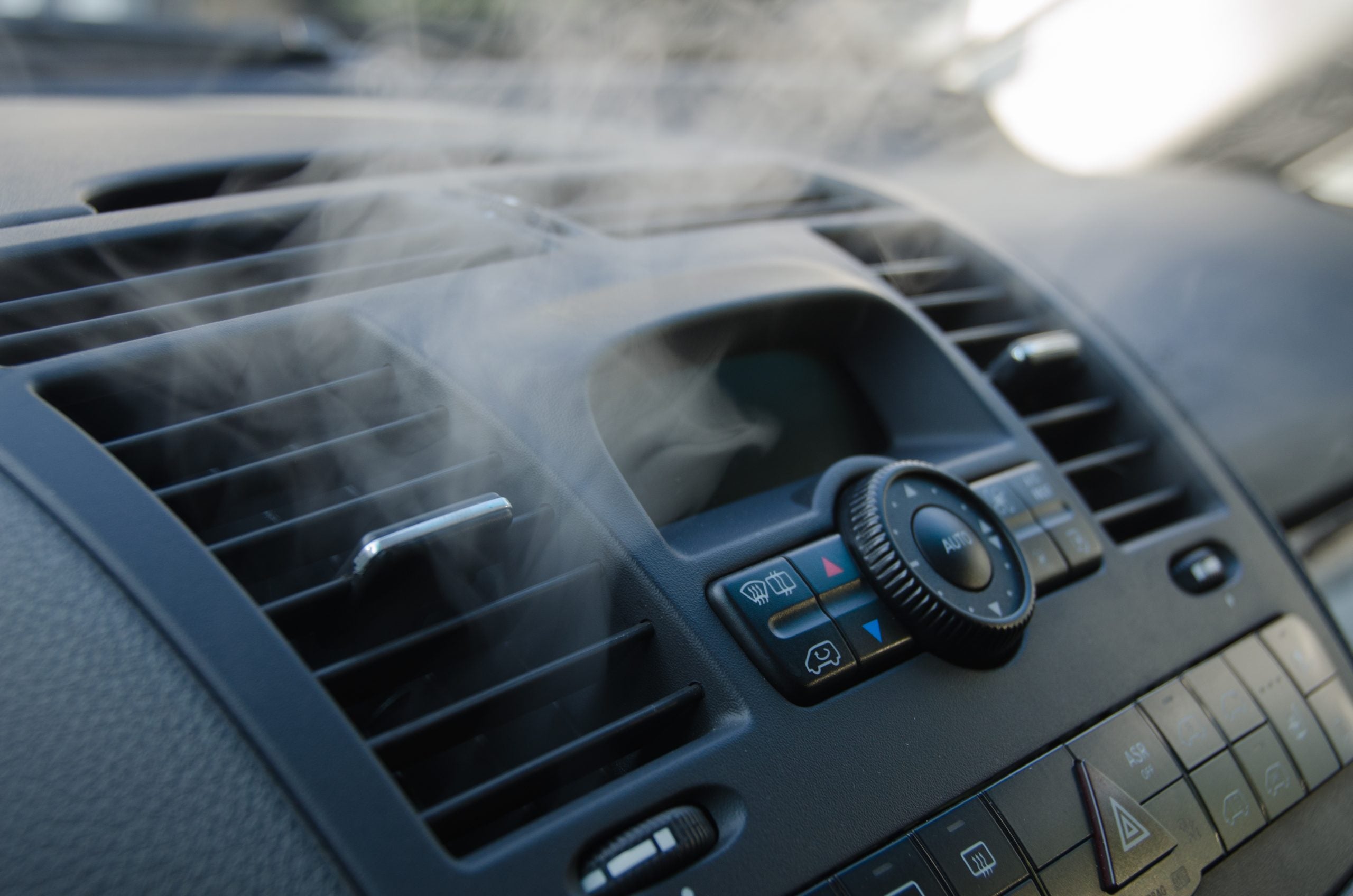
A photo of a car's AC vent with steam

5 Summer Maintenance Tips from your Local Honda Dealer

When we think of essential car maintenance priorities, the winter months spring to mind. But the demands of summer also put pressure on your vehicle. Don't risk a breakdown when you can carry out some essential checks and upgrades, and head down to your local Honda dealer for a multi-point inspection and servicing. These checks are all important. more 1. Change the Oil and Top Up Fluids When the weather heats up, the temperature in your engine rises. This can challenge your car's performance, especially when combined with those longer holiday drives. Fresh engine oil will improve performance, fuel efficiency, and the lifespan of your working engine parts, while protecting against wear and tear. Check other fluids, such as windshield washer fluid, coolant, and brake fluid. 2. Check and Inflate the Tires Heat will increase your tire pressure, making it harder to handle your vehicle. Check the pressure and correct it for better driving control, enhanced fuel efficiency, and improved traction. While you're there, check the tread and replace any worn tires. This will keep you safe on the roads and improve your driving performance overall. The team at Rick Roush Honda can assist. 3. Assess the Air Conditioning If your car has started to feel like an oven when you're driving, now's the time to check the air conditioning. If it's lost its reassuring chill, it could be a fault or a sign that you need an AC service and re-gas. Pop in during our extensive opening hours for a quick check. 4. Replace Windscreen Wipers Cracked or damaged windscreen wipers make it difficult to clear your windscreen during a heavy storm, or when it becomes dusty and dirty. Those squeaky sounds are annoying too! It's quick and easy to replace old wipers, and you'll drive far more confidently with full visibility. 5. Book a Car Maintenance Service Summer's a great time to book a scheduled service for your Honda at your local dealership. Why not let our garage technicians check over everything for you for total peace of mind? It will save you time and worry, and mean that you're perfectly primed for that next road trip. Looking for help with your vehicle maintenance? Whether you need an oil change, tire upgrade, or full service, we're here to help. Head down to Rick Roush Honda in Medina, OH, today for a friendly, helpful service that's guaranteed! Image via

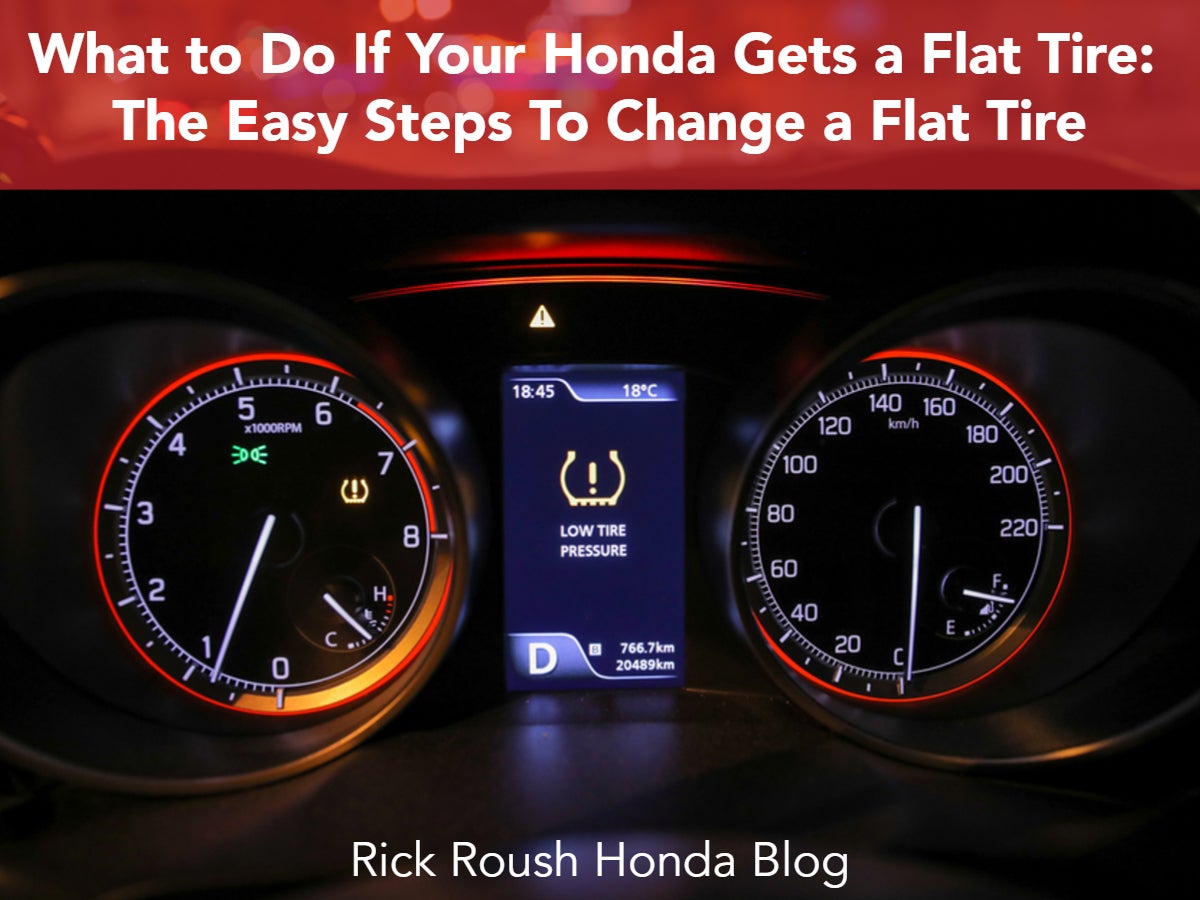
A photo of a dashboard light warning of low tire pressure and the text: What to Do If Your Honda Gets a Flat Tire - Rick Roush Honda Blog

What to Do If Your Honda Gets a Flat Tire

​​​​​​​​​​​​​​​​​​​​​​​​​​​​​​​​​​​​​​​​​​​​A flat tire can be a real headache, but it doesn't have to leave you stranded. As your Honda dealer, we want to tell you the easy steps to change that quickly and safely replace your tire and continue with your journey. more From Your Honda Dealer: The Easy Steps To Change a Flat Tire Find a Safe Place This is one of the most important steps. If your tire goes flat while driving, quickly scan the road ahead for a safe place to pull over. Ideally, you want a location as far from other vehicles as possible and has a flat, solid surface. Secure Your Honda Once you've parked, switch off your engine and apply the parking brake. If you're parked on an incline, look around for rocks or other solid objects you can place around the other tires as an extra precaution to prevent the wheels from moving as you change the flat. Switch on your hazard lights if you have to park near other moving vehicles. Grab Your Tools Changing a flat requires only three items: a spare tire, a jack, and a tire iron. Once you've collected all three of them, you're ready to change that tire. Loosen The Lugs Use the tire iron to loosen the lugs on the flat. The easiest way to do this is to attach the tire iron to a lug and then push down on the tire iron with your foot. Once the lugs are loose enough to turn by hand, it's time to lift your car. Jack Your Honda Position your jack under the closest jack point to the flat. A jack point is a flat, reinforced part of the frame designed for lifting your car. Jack your car until the flat lifts off the ground. Replace The Tire Unscrew the lugs, lift the damaged tire off the hub, and replace it with the spare. Rotate the spare until the holes in the spare match the holes in the hub. Once the tire is correctly positioned, screw in the lugs and tighten them as securely as possible by hand. Tighten The Lugs Lower your Honda to the ground, then use the tire iron to tighten each lug as securely as possible. Now you've replaced the tire, pack the flat, jack, and tire iron back in their places and you're ready to leave. Once you're on the road again, visit our service department at Rick Roush Honda in Medina, OH. Our technicians will install and balance a new tire while you wait. Image via

A graphic containing a photo of someone completing a car inspection on a clipboard and the text: How Does Honda Service Pass Work? - Rick Roush Honda Blog

How Does Honda Service Pass Work?

Your Honda dealer has always offered high-quality service, and now, it's even better with Honda Service Pass. This exclusive Honda complimentary maintenance plan covers oil and filter changes, tire rotations, and multipoint vehicle inspections, making it convenient and affordable to take care of your Honda's maintenance needs. more Complimentary Maintenance Plan If you drive a Honda model from 2023 or newer, you may be eligible for complimentary maintenance, which will lower your cost of taking care of your Honda's routine maintenance needs and give you the assurance that your vehicle is well taken care of by certified Honda technicians. The complimentary maintenance plan covers specific factory-scheduled maintenance tasks that are indicated by your vehicle's Maintenance Minder system. You will receive oil and filter changes, tire rotations, and multipoint vehicle inspections for 24,000 miles or 24 months, whichever comes first. Oil and Filter Changes The plan helps you keep your Honda engine running at its best with complimentary oil and filter changes. The Honda Maintenance Minder will alert you when your car needs a service and new oil to keep the engine components well-lubricated and running smoothly. The Honda technician will use genuine Honda motor oil that provides extra engine protection and enhanced performance and replace the filter with a genuine Honda filter to stop harmful contaminants from entering your engine. The information on which grade of oil is best for your model is in your Honda owner's manual, or you can ask your Honda technician for assistance. Tire Rotations Regular tire rotations are necessary to ensure all four tires on your Honda wear down evenly and last longer. Tires tend to wear down unevenly, and the ones at the front of your vehicle generally wear down faster than those at the rear. Your Honda technician will swap the front tires with the rear tires and move the left tires to the right and vice versa to maximize their lifespan and ensure you get the most out of each tire. Multi-Point Vehicle Inspections During a Honda multipoint vehicle inspection, the technician will conduct a comprehensive check of all your vehicle's critical components, from the fluids, tires, brakes, and fuel system to electrical components, filters, belts, and hoses. The inspection will assess which maintenance and repairs are needed to keep your Honda performing optimally. Your vehicle's maintenance and repair needs will be categorized in three colors: green, yellow, or red. Green indicates that the components are in good condition and do not require any immediate attention. Yellow shows that maintenance should be done soon, although it's not an emergency. Red indicates the immediate need for attention. Rely on exceptional service from the people who know your car to keep your vehicle in excellent running condition. Call Rick Roush Honda in Medina, OH, today to schedule a service appointment, and our certified Honda technicians will take expert care of your vehicle's routine maintenance needs. Image via

Cars driving in a snowstorm and the text:Get Your Car Ready for Winter Weather with Honda Service

Get Your Car Ready for Winter Weather with Honda Service

Winter weather can bring new car maintenance challenges. Make it through the season with ease by getting your vehicle serviced in preparation for cooler temperatures, precipitation, and slick roads that winter weather can bring. more General Readiness Since winter tends to be more demanding on your vehicle than other seasons, you'll want to make sure you're up to date on preventative maintenance, including inspecting your exhaust system and filters, ensuring your fan belts and hoses are working properly, making sure your front and rear lights are bright enough, changing your oil, and more. Your Honda service and repair center can also take care of maintenance that's especially helpful in winter, including flushing your coolant and checking for leaks to keep your engine from freezing in cold temperatures, checking your climate control system to make sure your heater and defroster are working properly, and checking your windshield wiper fluid and blades so you can keep your windshield clear during inclement weather. Battery Inspection Car batteries tend to have more difficulty operating during winter, so it's important to make sure that your battery is powerful enough to withstand colder temperatures without being drained. A technician can test your battery's voltage. Keep in mind that a problem you might not notice in warmer months can become a major issue when it's cold out. If your battery is weak, the service center will be able to change it for you. Tire Care If you're already considering replacing your all-season tires, doing so before cold weather sets in will give you the best possible traction on cold or wet pavement. Depending on your needs, you can get winter tires, which are more flexible in cold weather than all-season tires. A Honda service center technician can also check the air pressure and tread on your current tires to make sure they're safe, as well as rotate them to ensure even wear. Brake System Inspection Winter can be rough on your brakes. Having your brake pads and linings checked for excessive wear (and replaced if necessary) is important for your safety. You may want to have your entire braking system inspected since moisture and salt are prone to working their way in during winter, decreasing your braking efficiency. Regardless of the season, it's always a good idea to schedule preventative maintenance. With Honda service, you can drive away confident that your battery, tires, and brakes are ready for whatever winter throws your way. Schedule a service appointment at Rick Roush Honda and our team of highly trained technicians will make sure your car is ready for the road this winter. Image via

A graphic containing a photo of a tire and the text: 5 Benefits of Getting a Tire Rotation for Your Honda - Rick Roush Honda Blog

5 Benefits of Getting a Tire Rotation for Your Honda

Have you ever wondered why we over here at your local Honda dealer emphasize getting your tires rotated during routine maintenance? It's because tire rotation is not just another item on your vehicle's maintenance checklist; it's an important step to make sure your Honda runs smoothly and safely. more Extended Tire Life One of the most significant benefits of regularly rotating your tires is extended tire life. Tires don't wear evenly, because the front tires bear more weight and handle more of the steering and braking forces. By rotating your tires, you distribute these forces more evenly across all four tires, helping them wear at a similar rate. This prolongs the life of your tires and saves you money in the long run, as you won't need to replace them as often. Improved Performance and Safety Getting your tires rotated regularly also enhances your vehicle's performance and safety. Evenly worn tires provide better traction and handling, which is especially important in adverse weather conditions. When your tires have uneven wear, it can lead to poor handling and even increase the risk of tire failure. Regular rotation ensures your Honda remains stable and responsive, no matter the road conditions. Better Fuel Efficiency Did you know that uneven tires can lead to increased fuel consumption? When your tires are unevenly worn, your Honda's engine needs to work harder to move the car, leading to higher fuel consumption. By keeping your tires rotated and evenly worn, you ensure that your vehicle runs as efficiently as possible, saving you money at the gas pump. Enhanced Comfort and Reduced Noise Uneven tire wear can cause vibrations and increased road noise, leading to a less comfortable driving experience. Regular rotation of the tires helps maintain even tire wear, which means your ride is smoother, and it's quieter inside the vehicle. You'll notice the difference, especially on longer drives. Maintaining Warranty and Reducing Future Costs Many tire manufacturers require regular rotation of the tires as part of their warranty conditions. Skipping this service could void your tire warranty, leaving you unprotected against defects or premature wear. Additionally, regular rotations can prevent more severe and costly repairs down the line, as uneven tires can put extra strain on your vehicle's suspension and brakes. Getting your car's tires rotated might seem like a small part of vehicle maintenance, but its impact is significant. From extending tire life to improving safety and performance, a simple rotation can go a long way toward keeping your Honda running smoothly and efficiently. Call Rick Roush Honda today to set up an appointment to get your tires checked and rotated. Image via

A photo of a family driving a car and the text: Four Maintenance Tips to Get Your Honda Road Trip Ready - Rick Roush Honda Blog

Four Maintenance Tips to Get Your Honda Road Trip Ready

Before you set out on a road trip, you must make sure your Honda is prepared to travel a long distance. The last thing you want is to have a mechanical breakdown when you should be having fun with family or friends. Check out some routine Honda maintenance that can ensure your vehicle is roadworthy before your next adventure. more 1. Refresh Your Fluids and Lubricants There are a lot of chemicals beneath your hood that are responsible for lubricating the various elements of your vehicle. One of the most important fluids to check before a road trip is the motor oil in your engine. If your motor oil is low or dirty, it will not be able to properly lubricate your engine, and you may run into problems such as low fuel economy or engine failure. The brake fluid, transmission fluid, and radiator coolant are also important to check before a long trip. For your brake system to function properly, there must be enough fluid in the brake line. Likewise, a radiator that is low on coolant means your engine is vulnerable to overheating, which can seriously delay your trip. Low transmission fluid can also cause a problem on a trip. 2. Check Your Hoses and Belts Typically, the hoses and belts in your engine will last for several years before they need to be replaced. However, if you are about to drive long distances, then you will be generating more heat in your engine. If your hoses and belts aren't in good condition, long-term heat exposure can cause a breakdown if these elements break. 3. Assess Your Tire Tread and Air Pressure Before a road trip, you must double-check that your tires are in good condition. Low air pressure and low tire tread can both spell trouble on the road. If you want to avoid a blowout on your trip, you should schedule a tire rotation or replace your tires if the tread is too low. 4. Test Your Brakes In addition to brake fluid, you will need to ensure your brakes are prepared for a long trip. Specifically, you will need to ask a mechanic to check the health of your brake pads and rotors. It might be a good idea to replace brake pads before a trip, so you don't run into any issues. When you are planning a road trip, you must plan for more than your route and preferred pit stops. By thinking ahead and scheduling routine maintenance before your road trip, you will be able to enjoy peace of mind on the open road. Schedule your road trip preparation service appointment at Rick Roush Honda. Image via

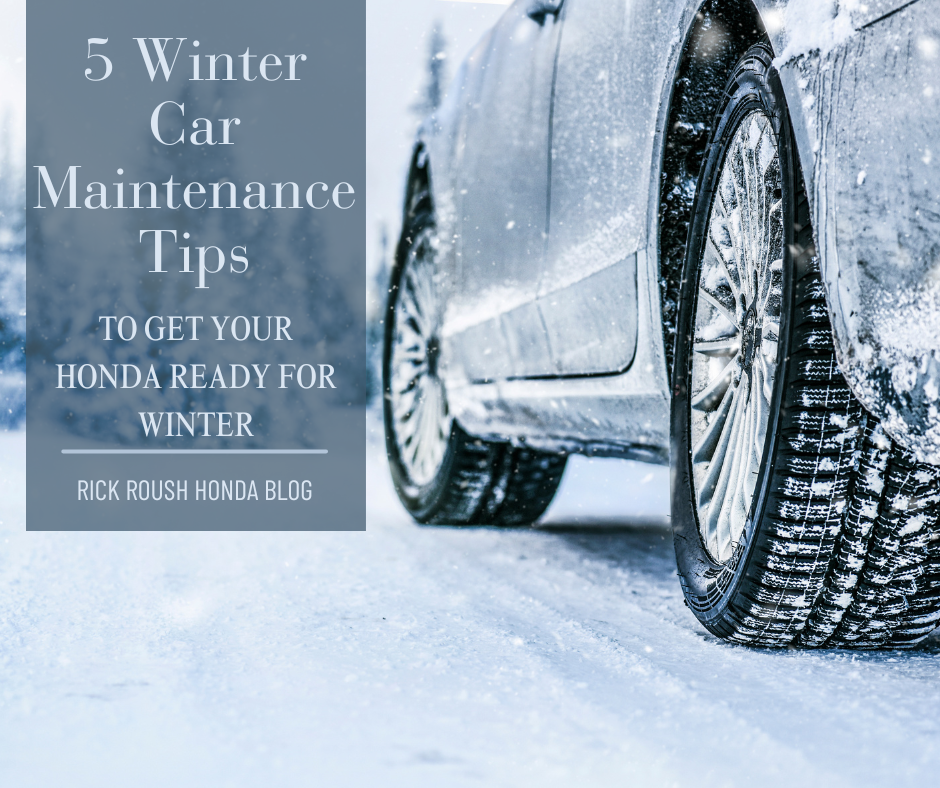
A graphic containing a photo of a car driving on a snowy road and the text: 5 Winter Car Maintenance Tips to Get Your Honda Ready for Winter - Rick Roush Honda Blog

5 Winter Car Maintenance Tips to Get Your Honda Ready for Winter

Is your car ready for the winter? Ohio winters typically bring cold temperatures and heavy snowfall, and it's important to maintain your vehicle so that it performs safely and reliably in those conditions. Your local Honda dealer specializes in providing winter car maintenance. more 1. Change Your Oil An oil change is an important service at any time of year, but it's especially essential as cold weather sets in. That's because cold temperatures slow down the flow of your oil, putting more stress on your engine and leaving it less lubricated. Scheduling an oil change ensures that your engine stays happy and healthy during the winter months. 2. Check Your Antifreeze Liquid antifreeze regulates the temperature of your engine and keeps the water in your radiator from freezing. Antifreeze is used in vehicles year-round, but during the winter the blend of water and antifreeze is adjusted to rely a little more heavily on the antifreeze chemical. If you don't use antifreeze, or if you allow it to run low, your engine could overheat or seize up. 3. Refresh Your Washer Fluid and Windshield Wipers Visibility is key when you're navigating snowy, foggy, wet roads. Before winter sets in, have your windshield wiper blades and your windshield wiping fluid level checked. Given the severity of our winters, you may even want to consider having winter wiper blades installed as well as a special cold-weather cleaning fluid. Speaking of your windshield, make sure your defroster is functioning well. 4. Check Your Battery Car batteries have a lifespan, and most will need to be replaced after three or four years. If you've had your current battery for a couple of years, it's a good idea to have it tested before winter comes. No one wants to be stranded on the side of the road in snowy conditions, and you can usually avoid that if you're proactive about maintaining your battery and replacing it before it dies. Now is also a good time to make sure you have an emergency kit in your car that includes jumper cables as well as a blanket, a flashlight, an emergency warning triangle, and other essentials. 5. Check Your Tires Heading into winter, you'll want to make sure your tires are capable of gripping roads that have become slippery with snow and ice. To get good traction, your tires will need to be properly inflated and still have plenty of tread. The service department at your local dealership can inspect your tires and make any service recommendations before winter. A few simple steps are all it takes to ensure safe driving during the cold-weather season. When you're ready to get your car, truck, or SUV in shape for the winter, schedule a service appointment at Rick Roush Honda. Image via

Contact Us

Fill out this form below and we'll contact you shortly
*Required Fields