
Blog / Service Center

5 Benefits of Getting a Tire Rotation for Your Honda

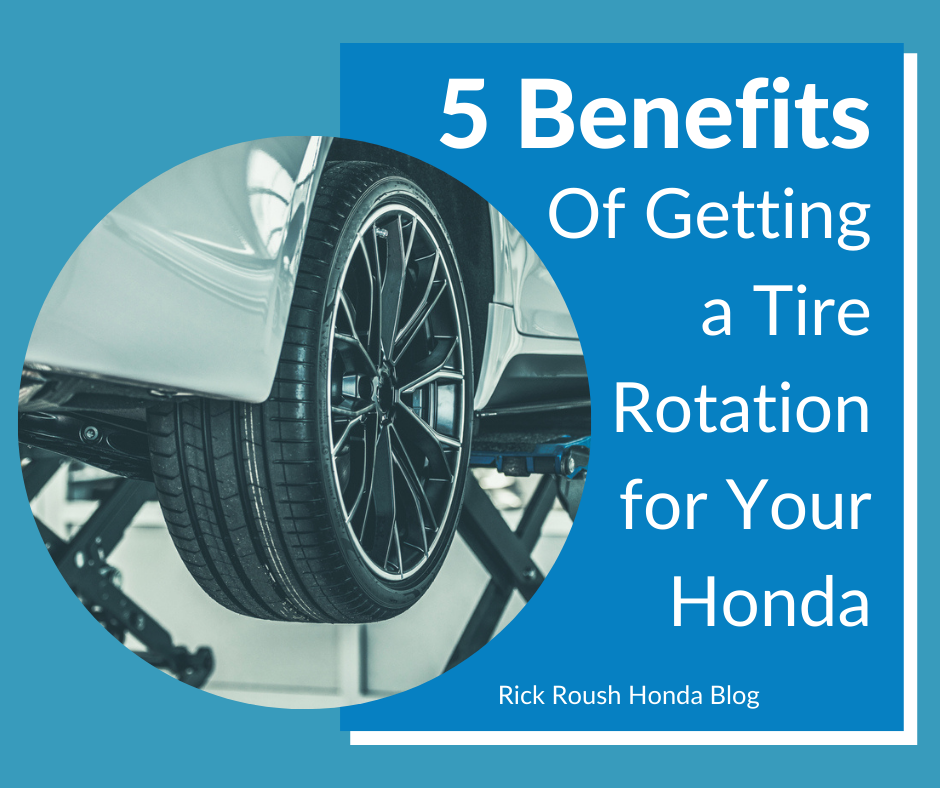
A graphic containing a photo of a tire and the text: 5 Benefits of Getting a Tire Rotation for Your Honda - Rick Roush Honda Blog


Have you ever wondered why we over here at your local Honda dealer emphasize getting your tires rotated during routine maintenance? It's because tire rotation is not just another item on your vehicle's maintenance checklist; it's an important step to make sure your Honda runs smoothly and safely.

Extended Tire Life

One of the most significant benefits of regularly rotating your tires is extended tire life. Tires don't wear evenly, because the front tires bear more weight and handle more of the steering and braking forces. By rotating your tires, you distribute these forces more evenly across all four tires, helping them wear at a similar rate. This prolongs the life of your tires and saves you money in the long run, as you won't need to replace them as often.

Improved Performance and Safety

Getting your tires rotated regularly also enhances your vehicle's performance and safety. Evenly worn tires provide better traction and handling, which is especially important in adverse weather conditions. When your tires have uneven wear, it can lead to poor handling and even increase the risk of tire failure. Regular rotation ensures your Honda remains stable and responsive, no matter the road conditions.

Better Fuel Efficiency

Did you know that uneven tires can lead to increased fuel consumption? When your tires are unevenly worn, your Honda's engine needs to work harder to move the car, leading to higher fuel consumption. By keeping your tires rotated and evenly worn, you ensure that your vehicle runs as efficiently as possible, saving you money at the gas pump.

Enhanced Comfort and Reduced Noise

Uneven tire wear can cause vibrations and increased road noise, leading to a less comfortable driving experience. Regular rotation of the tires helps maintain even tire wear, which means your ride is smoother, and it's quieter inside the vehicle. You'll notice the difference, especially on longer drives.

Maintaining Warranty and Reducing Future Costs

Many tire manufacturers require regular rotation of the tires as part of their warranty conditions. Skipping this service could void your tire warranty, leaving you unprotected against defects or premature wear. Additionally, regular rotations can prevent more severe and costly repairs down the line, as uneven tires can put extra strain on your vehicle's suspension and brakes.

Getting your car's tires rotated might seem like a small part of vehicle maintenance, but its impact is significant. From extending tire life to improving safety and performance, a simple rotation can go a long way toward keeping your Honda running smoothly and efficiently. Call Rick Roush Honda today to set up an appointment to get your tires checked and rotated.

Image via

Posted in:

Related Posts

A closeup of a car's transmission

Maintaining Your Honda's CVT Transmission: Service Tips

A continuously variable transmission is specially designed to be more efficient than a traditional automatic transmission, making it an ideal option for eco-friendly vehicles. To ensure your CVT has the best possible performance, it's important to routinely service the transmission and look out for signs you need to schedule Honda CVT maintenance. more Maintaining Your Honda's CVT Transmission: Service Tips In general, servicing a CVT transmission is the same as servicing an automatic transmission, which means booking service for your transmission every 60,000 miles or so. During this service appointment, a Honda mechanic will examine the transmission for worn parts, as well as flush out and replace transmission fluid. The interval for transmission service will vary depending on your driving habits. If you put a lot of miles on your car every year, you frequently haul heavy trailers, or spend most of your time in congested traffic, you may want to have your transmission serviced more frequently to ensure everything is in working order. You can save time by stacking your service appointments, such as by booking an oil change or tire rotation at the same time. Signs You Need Honda CVT Maintenance Aside from the dashboard indicator lights in your vehicle, you can spot early warning signs of transmission trouble if you notice your vehicle seems louder than normal when you accelerate or turn a corner. If it feels like your Honda is taking longer to accelerate, this could be a sign that the CVT is having shifting issues or gears are slipping. Sometimes, your vehicle might not move when it is in drive gear or you may notice a burning smell. Visible transmission fluid leaks are also a major red flag. Transmission fluid tends to be a bright red color, so if you notice a red puddle beneath your car, your transmission may have a leak. It's also important to note if the color of your transmission fluid is muddy or dark red, which could indicate the fluid is old or contaminated. Consequences of Skipping Service In addition to a marked drop in the overall efficiency and performance of your Honda, skipping transmission service can spell big trouble down the line. When transmission fluid is too old, it cannot properly protect the transmission from overheating, which can cause major damage and even transmission failure in the future. To avoid costly vehicle repairs, it's best to keep up with your Honda's recommended service intervals for your CVT transmission system. Get in touch with Rick Roush Honda in Medina, OH to book an appointment.

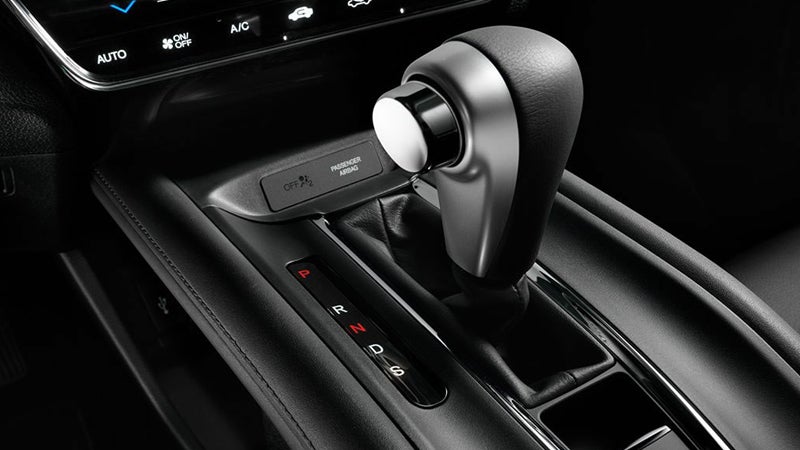
Honda transmission shifter

6 Signs Your Honda Needs a Transmission Service

Detecting problems with your car early can save you a lot of money, as it allows you to fix issues before they get considerably worse. So, when you need your Honda transmission serviced, be sure to visit your Honda dealership as soon as your vehicle lets you know that something is wrong. more 6 Signs Your Honda Transmission Needs a Service From Your Dealership 1. There's An Issue with Switching Gears A vehicle with a faulty transmission might struggle to shift gears or be unable to shift gears at all. Different transmission problems can cause the symptoms, including something as simple as having contaminated transmission fluid. Make sure you stay on top of your transmission maintenance to avoid issues caused by dirty transmission fluid. 2. There's Grinding or Jolting During Gear Changes Gear changes are supposed to be smooth and silent. If your car makes a grinding noise, vibrates, or jolts in any way during a gear change, then there's probably something wrong with your transmission. Grinding during gear changes is more common in vehicles with a manual transmission. 3. There's a Burning Smell in Your Car A burning smell in your car is never good news. It can tell you that a component in your car is overheating. It can also let you know that it's time for a transmission flush, as your fluid may be burning up because it's old. 4. There's a Surge of Power When You Shift Gears Because gear shifts are supposed to be smooth, you'll never feel a sudden surge of power like your car has suddenly been propelled forward by some kind of super-speed button. If your car leaps forward after a gear change, then there's probably a problem with your transmission. 5. There's Noise While You're in Neutral Hearing a new sound while your car is running is almost always a sign that your car needs repairs. If your transmission is the component that's in disrepair, the new noises will usually start happening while your vehicle is in neutral. You could hear any kind of sound in neutral when there's a problem. Grinding and bumping noises are common. 6. There's Trouble Trying to Stay in Gear If your car can't seem to stay in gear, then that's a sure sign that something is wrong with your transmission system. Hearing your engine rev suddenly during a gear change or feeling like you can no longer control your acceleration and deceleration are signs that your car is slipping gears. Slipping gears can also make it feel like you're driving over ice and your wheels have no way to grip onto the road, making the situation scary as well as dangerous. Come get your Honda transmission examined at Rick Roush Honda. Contact our service department or schedule an appointment online.

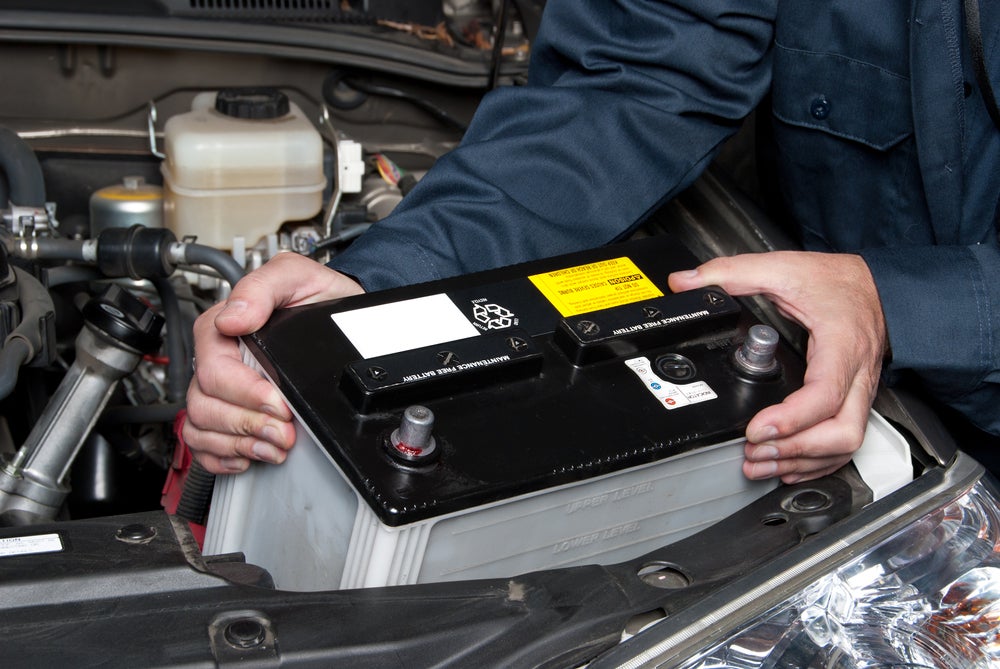
car battery

6 Signs Your Honda Battery Needs Replacement

Most car batteries last from three to five years. You can optimize your battery's lifespan with good maintenance, including keeping it protected from the cold during winter. However, all batteries eventually need to be replaced, and it's good to know the warning signs when the time comes. Here are six indications that you need to visit your Honda dealership for battery replacement. more 6 Signs Your Honda Battery Needs Replacement Your Battery Is Cracked or Warped It's wise to occasionally check your battery for signs of damage or malformation. When car batteries overheat or finally grow too old to use, they can sometimes warp out of shape. If the casing walls of your battery aren't perfectly straight, you need a new battery. And needless to say, if you find a crack in the battery casing, have it replaced at once. You Smell Rotten Eggs Car batteries contain sulfuric acid, which is highly corrosive and toxic to humans. If you ever detect a rotten-egg smell, your battery may have cracked and is leaking acid. Ask a technician to safely remove it, check your car for acid damage, and install a new battery. Your Battery Terminals Are Corroded When visually inspecting your battery, pay close attention to the metal terminals. If any green-white corrosion has started to build on them, you'll need to clean it all away. If there's already too much corrosion on the terminals, the battery will have to go. Your Engine Takes Longer To Start When a car battery begins to fail, it will take longer to start the car, especially during winter. Any hesitation in the starter should prompt you to visit a trusted technician. We can diagnose the problem and replace the battery if necessary, saving you from being unable to start your car at all. Your Headlights Lose Brightness As an aging battery weakens, the headlights might start to grow dim. This becomes especially apparent when the engine is turned off and the dying battery is no longer receiving charge from the alternator. Your Electronics Start To Falter The many electronic accessories in your cabin will also begin to struggle with insufficient charge from a failing battery. This may include the powered windows, dashboard lights and dials, heated seats, stereo, air conditioner, phone charger, and more. Get Prompt Battery Replacement at Your Honda Dealership The battery is crucial to your car's proper functioning. If you think your battery might be failing, don't hesitate to have it tested. We can quickly ascertain the condition of your battery and install a new one if required. Visit Rick Roush Honda, today to have your battery-related issues quickly resolved. We're a welcoming local dealership that makes automotive purchasing and servicing an exceptionally easy, hassle-free experience.